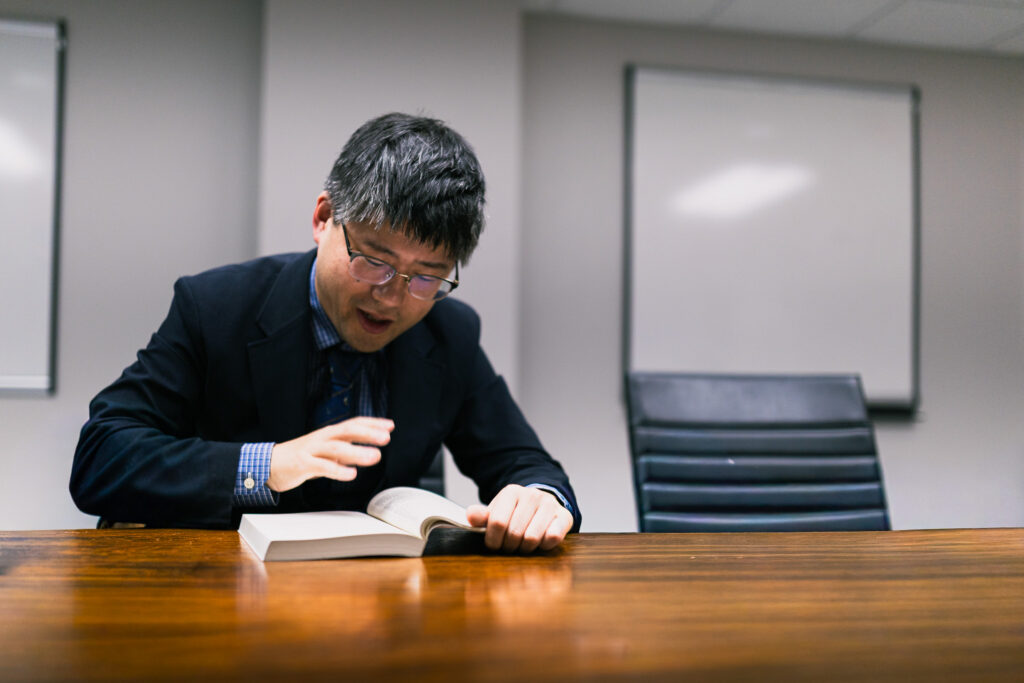
Students reviving economics at North Greenville University
Xavier Gonzalez, Staff Writer
Photo by Xavier Gonzalez
North Greenville University’s political science department has resumed its politics, philosophy and economics reading group for the 26-27 academic year.
The reading group was started by chair of the NGU political science department Nicholas Higgins back in 2020. Founded as the NGU Junto, a play on Benjamin Franklin’s club of the same name, the reading group met weekly to discuss and analyze texts related to politics, philosophy and economics.
According to Higgins, the first text they studied was a book about the “liberal arts through the lenses of philosophers.”
No more than a handful of students would meet for the group regularly. After many group members graduated, the group fizzled out for nearly half a decade.
Last year in 2025, Higgins contacted an organization that would be willing to fund a reading group focused on free market thought and conservatism. To revive the group, Higgins connected with a conservative student organization on campus, Young Americans for Freedom, and advertised the group to classrooms on campus. Once he had sparked sufficient interest, they resumed weekly meetings.
This year, the reading group continues, but with a narrower focus.
Over the summer, a student contacted Higgins expressing a special interest in the study of economic philosophy as the theme for this year’s group. As a result, they chose James Otteson’s “What Adam Smith Knew: Moral Lessons on Capitalism from Its Greatest Champions and Fiercest Opponents,” which is holistic anthology of writings on economic and moral theories.

Economics has never been a prominent area of study at NGU, so the choice to focus on economics in this year’s reading group is a prudent one.
For context, NGU’s political science department and College of Business and Entrepreneurship have been the only beacons for economic learning on campus, so long as they have been around. However, over the past couple years, university officials have made sweeping changes to the opportunities for economic learning offered in both of these academic units.
In 2024, the former saw the inception of the politics, philosophy and economics major. According to NGU’s website, the major is the only of its kind offered in South Carolina.
Affecting the latter, the latest updates to the academic catalog included the removal of the economics minor.
While many students at NGU may never engage in economics related coursework, members of the faculty insist on its importance.
Dean of the College of Business and Entrepreneurship John Duncan affirmed the importance of students learning about economics and personal finance. He also verified that the changes to the catalog came from a lack of demand for those courses.
Higgins recognized how for students, “sometimes there’s a lack of knowledge of how [politics, philosophy and economics] affects or relates to their other coursework.”
He expressed a desire to see greater diversity among participants, and that business and management majors would likely benefit from the reading group.
As the reading group continues, perhaps one day they will generate enough demand for economic learning that deep economic study can return to NGU.
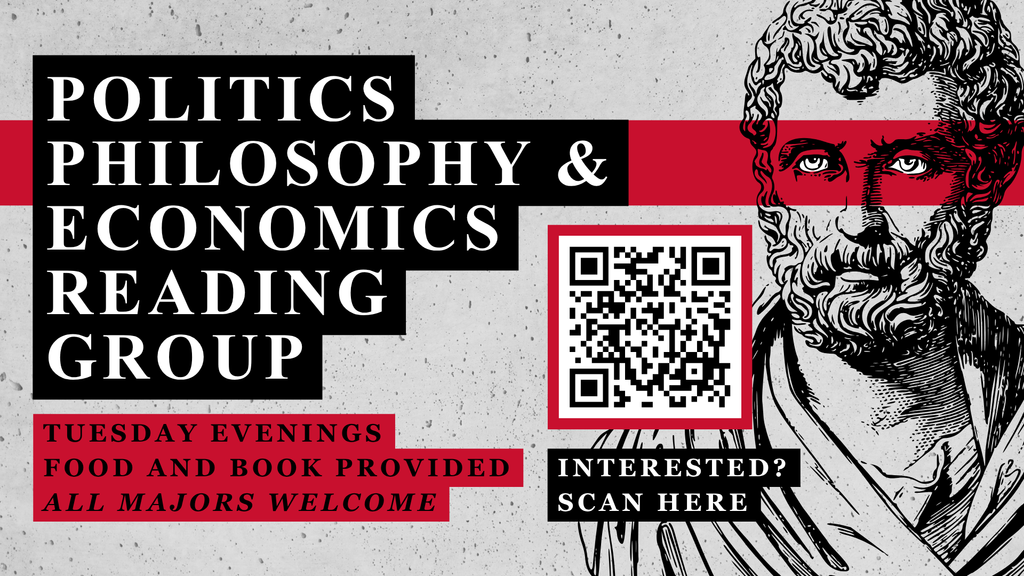
The reading group meets on Tuesdays at 5:00 p.m. Food and books are provided. There is no preparation required prior; all of the reading is done aloud during the meetings followed by discussion.
Students interested in attending should contact Higgins via email at [email protected].
