To the moon and beyond: NASA’s Artemis II mission
Elisa Wells, Staff Writer
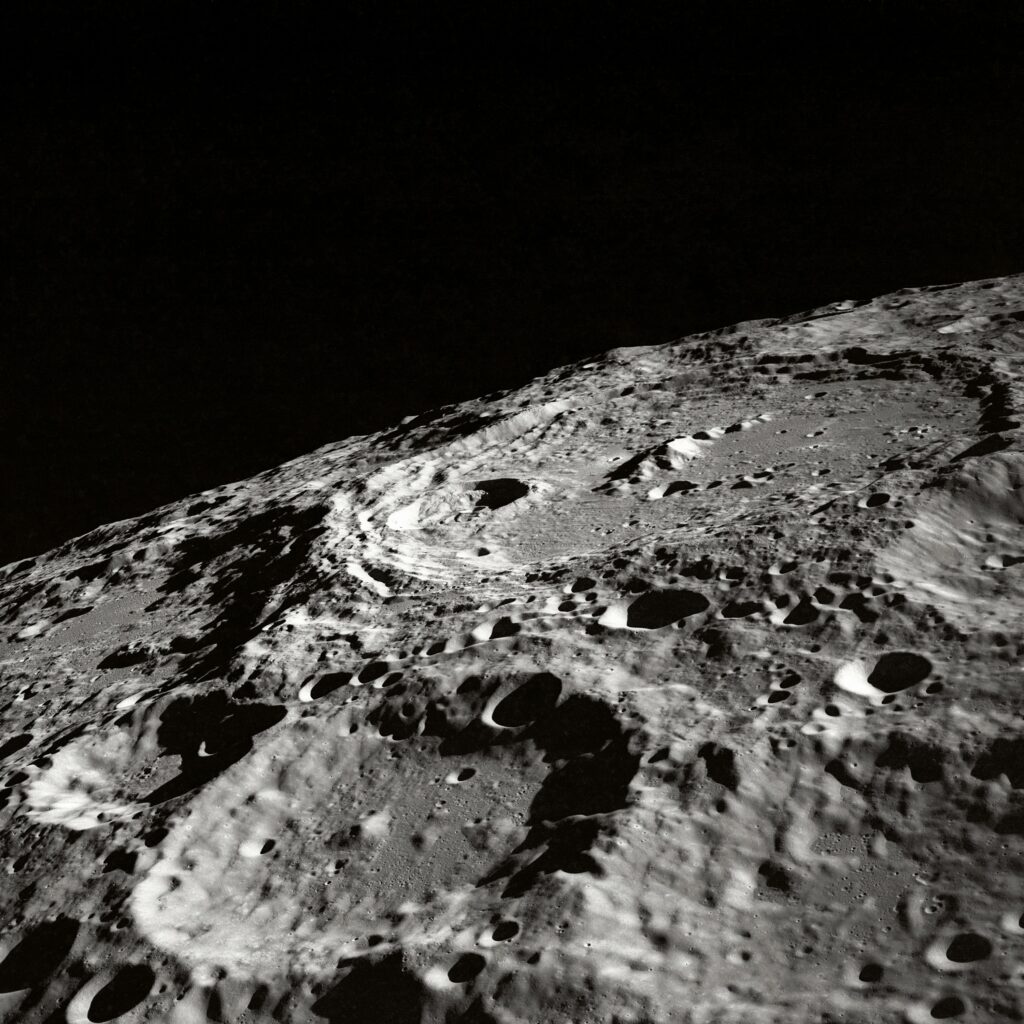
Photo Courtesy of NASA on Unsplash
Fun fact: No human has ever explored the dark side of the moon. While astronauts have landed on the near side of the moon, no human has ever explored the right side directly. This mission also represents a step toward understanding regions that remain largely unknown to human observation.
On April 1, 2026, NASA launched Artemis II on a 10-day journey around the moon. With four astronauts aboard, the goal is to test how the spacecraft’s systems operate in the deep space environment.
After over 50 years after humans first set foot on the moon, Artemis II aims to put men on the moon once again. But this time, the goal is not just to revisit, but to expand the human experience beyond what has already been done.
The sense of process is already resonating with a new generation. Kyleigh Garrick, Junior Health Science, says about watching the Artemis II landing:
“It was incredible,” she said. “We have been talking about the possibility of going to Mars since we were kids and this was a huge step for that. I think I even did a project on their capsule, Orion, in middle school so this was very cool to see.”
Part of what makes Artemis II so important is what humans bring to the mission. Although satellites and cameras have mapped out the moon in detail, there is one thing missing: human perception. The human eye can detect subtle variation in color, texture and terrains that machines might miss. These observations are crucial for identifying safe and practical landing sites for future missions.
Beyond exploration, Artemis II plays a key role in preparing for the future of space travel. The mission will confirm the systems necessary to support astronauts in deep space exploration and prepare to establish a sustained presence to the Moon.
Additionally, a mission of this scale requires more than technology. It also depends on the relationship between government and science. The federal government provides NASA with funding and broad goals, such as returning to the moon, and leaves the technicalities to the experts. Scientists, engineers and specialists drive the day-to-day decisions. This ensures that missions like Artemis II are guided more by expertise than by political change.
At the same time, Artemis II is reigniting public imagination. Many people alive today, including entire generations, did not witness the moon landing. Instead, heard of it as a historical event. But now, with Artemis II, that sense of wonder is returning.
Nicholas Higgins, department chair of political science, criminal Justice, and legal studies said, “It is making an interest in a renewed kind of desire, even in children, to be like, oh, this is so cool. They’re confident they’re going to go live on the moon and build a space station there. I’m like, well, I don’t know if that’s going to happen yet, but you need someone to think about it and desire it, and then people will work towards it. “
Artemis II is more than a mission. It connects the ambitions of the past with the possibilities of the future, moving humanity from simple rising the Moon to potentially living and working there.
To read more about the Artemis II mission, visit NASA Answers at: https://www.nasa.gov/missions/nasa-answers-your-most-pressing-artemis-ii-questions/